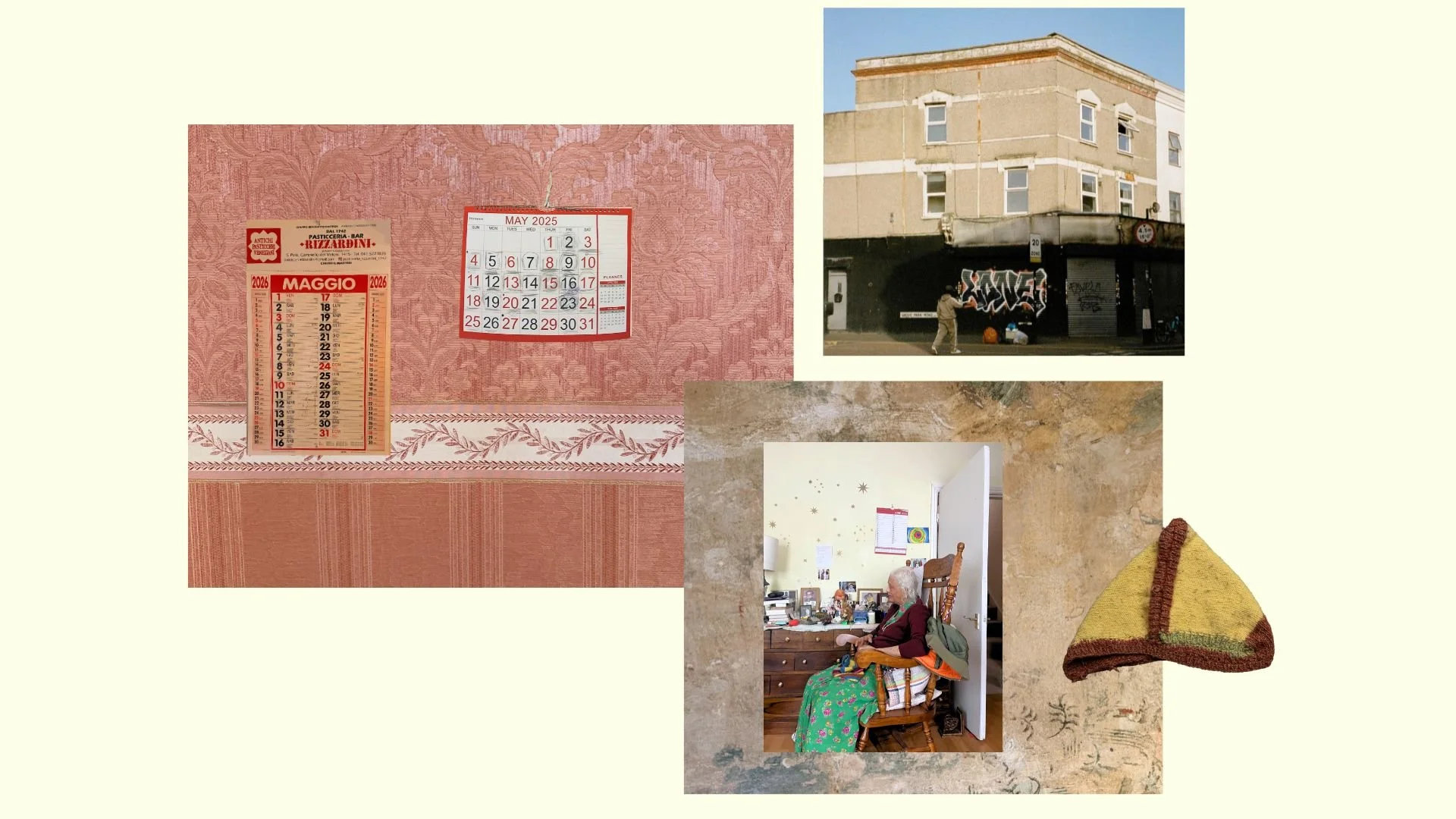
The feeling of being at home is a spatial, geographical concept. But it is temporal too. When do we belong where we belong? In what objects do we hold our memories?

My grandmother was 24, the age I am now, when she left Delhi for London without her parents' knowledge. She was a polyglot. For a while, she had no one to speak to in Tamil, her mother tongue. One day the words stopped coming to her. She started to forget her own language. That was in 1971.

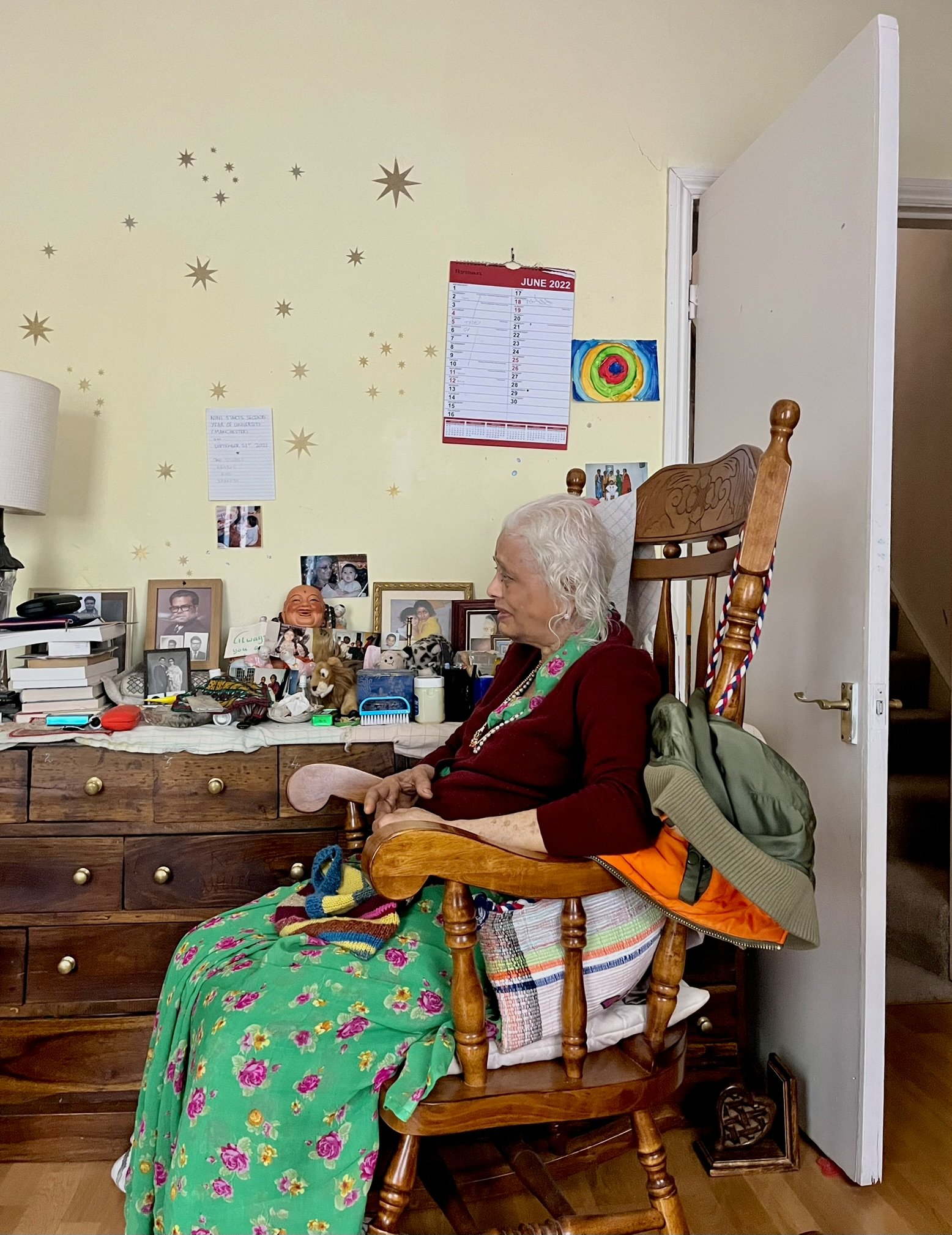
After that, my grandmother had a long career as a curator of South Indian languages at the British Library. Every day she travelled to work on the London Underground with a bag of wool and knitting needles. She used knitting patterns, making garments that were intricate, beautiful, precise.

After she retired, aged 69, she was diagnosed with dementia.

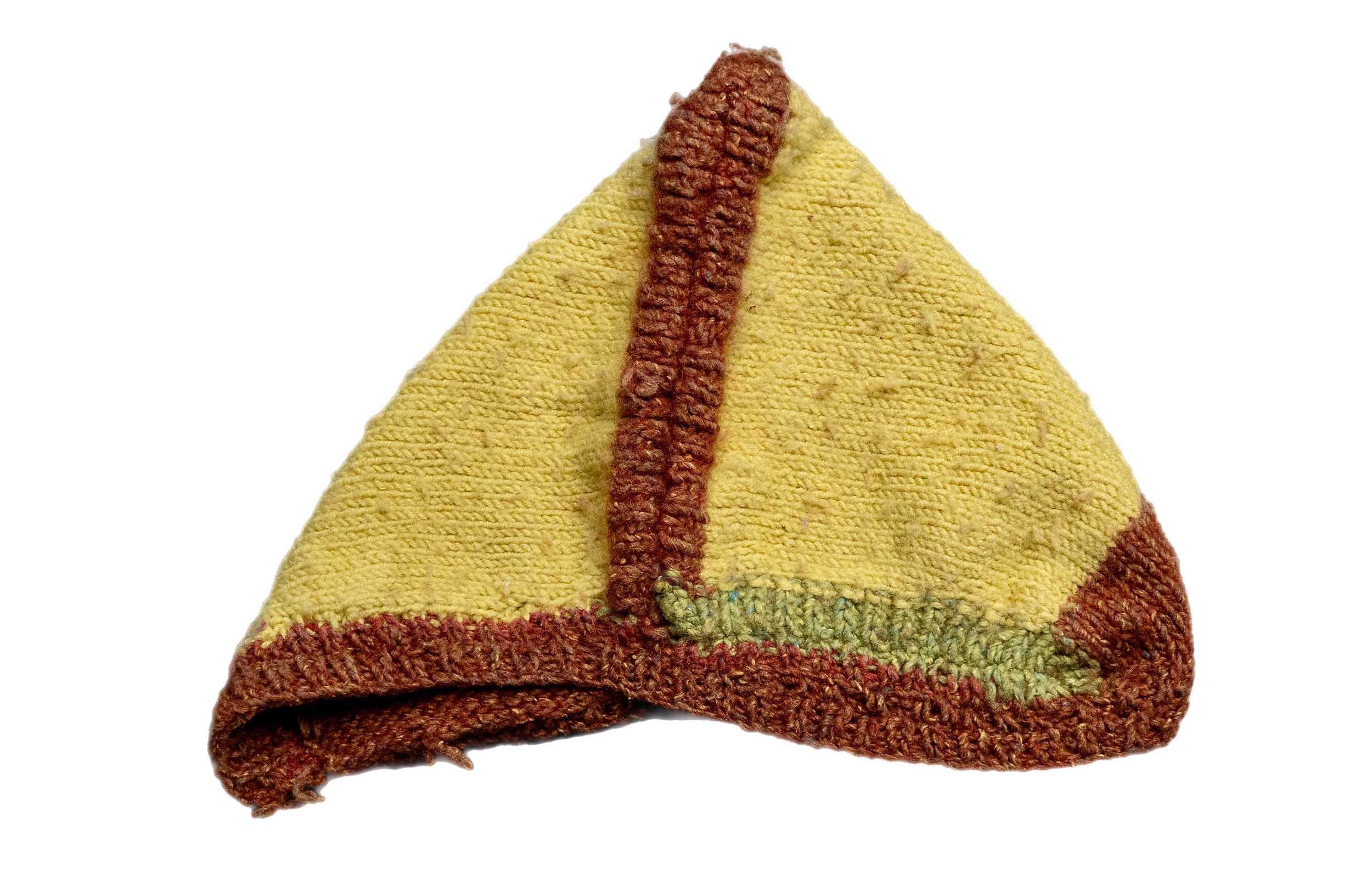
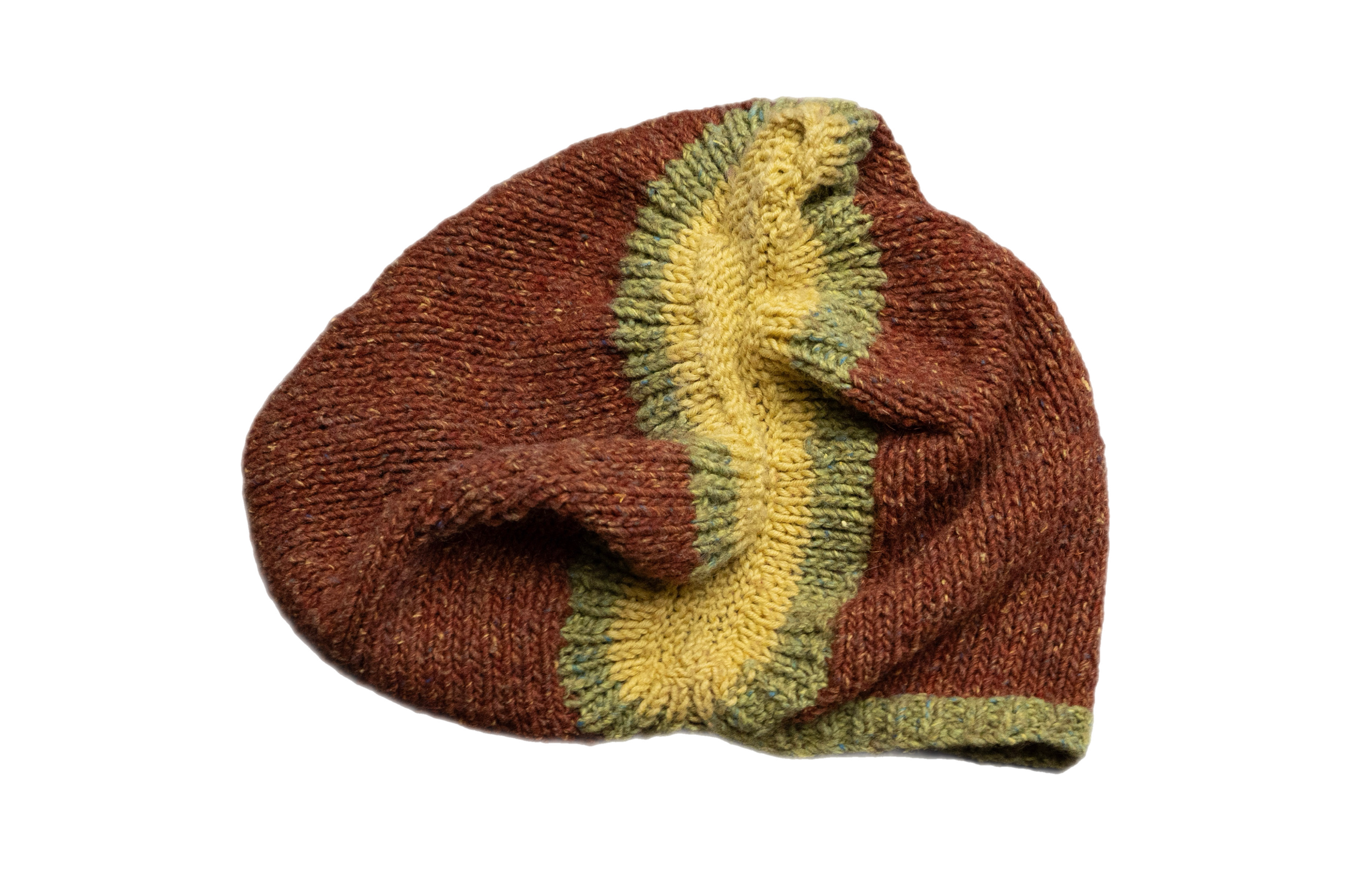
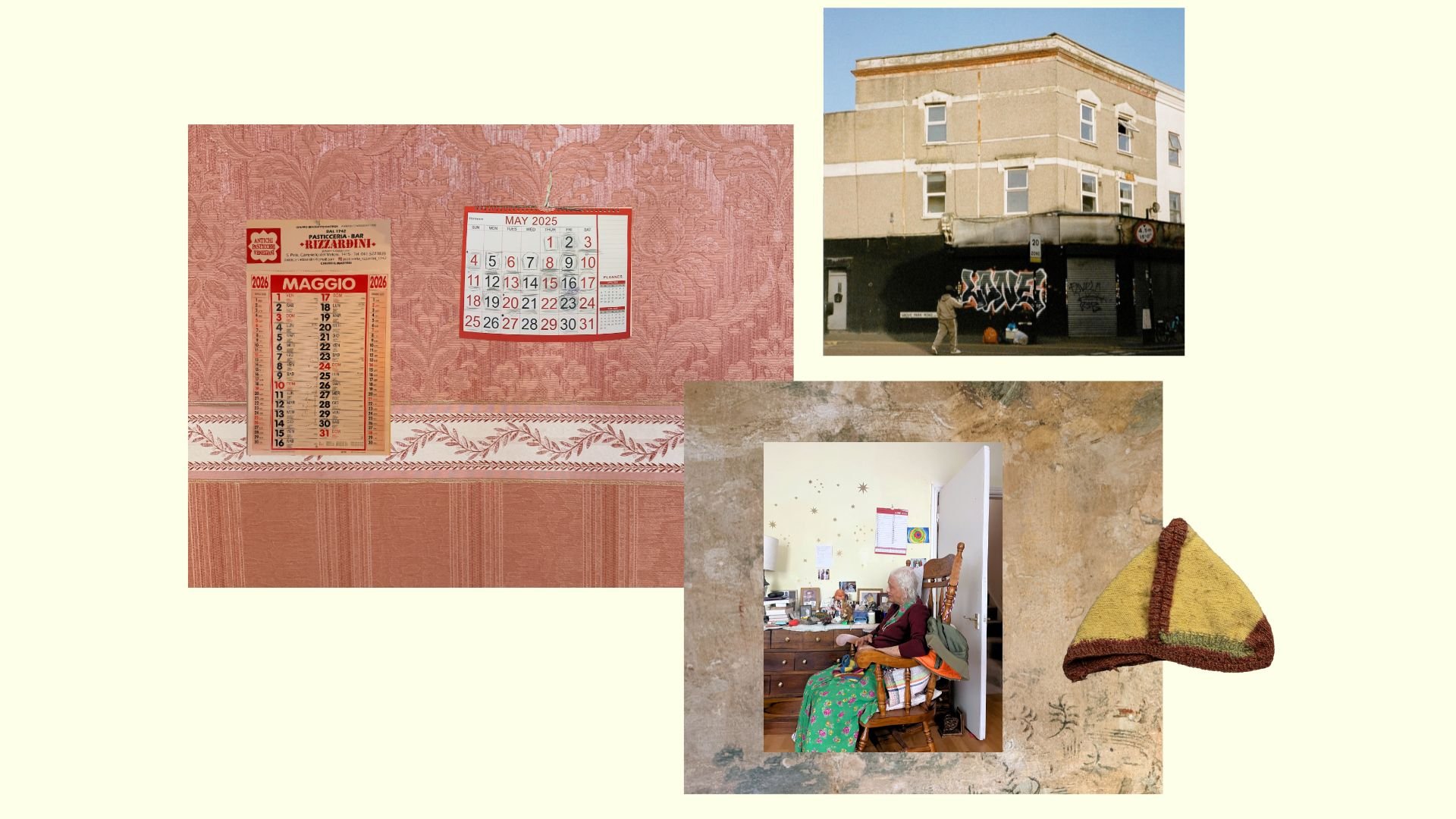
She kept knitting, but now the straight button bands of her cardigans started becoming diagonal. The patterns warped; hats mutated into strange colourful shapes. The pieces she created seemed like a physical manifestation of her dementia composed in her brain, and worn on her head. They looked like a battle in yarn, a woollen struggle between what she still remembered, and the everyday things she forgot.

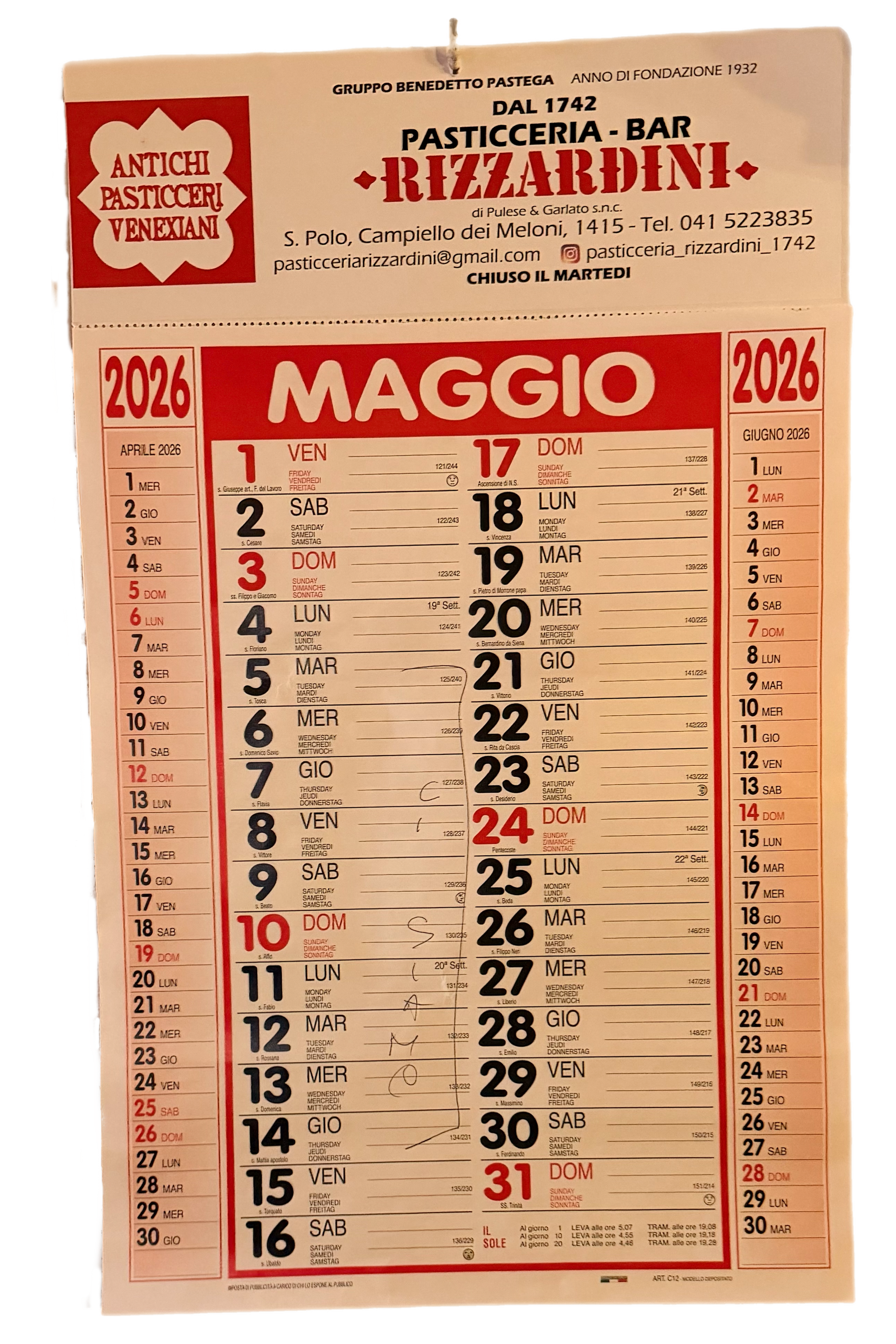
In Italian, dimenticare means to forget; ricordare, to remember. To defend against her forgetfulness, my grandmother began to record.

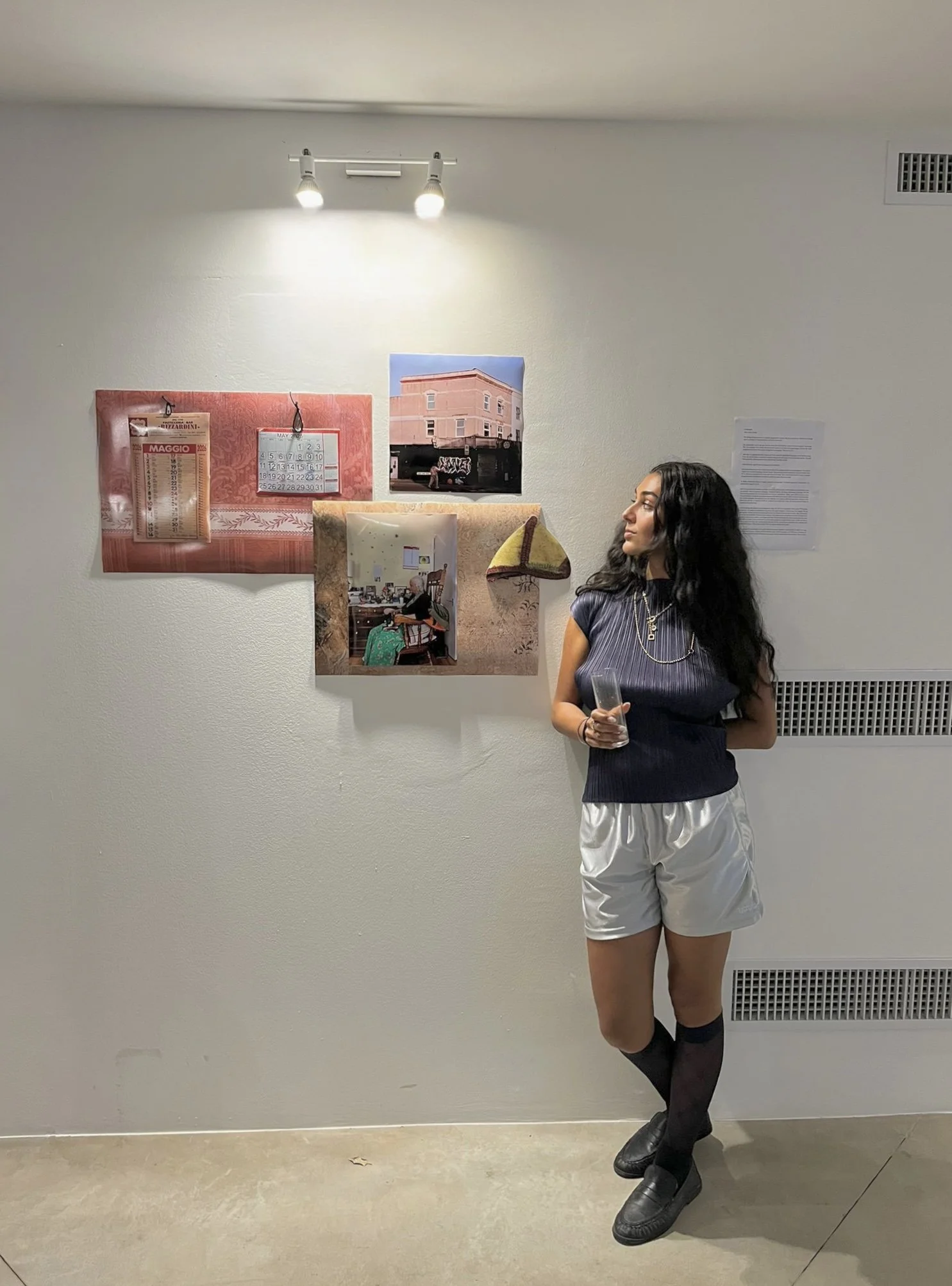
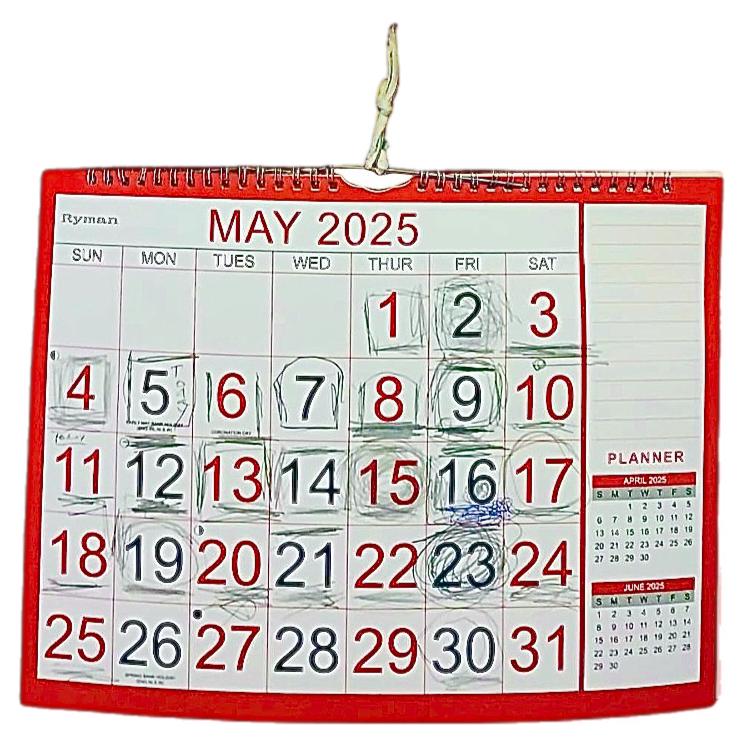
She told us stories of her childhood in India, of racism in 1970s London, of the kindnesses of friends she made at university. Tales of migration, belonging, Hinduism, history — all things that happened long ago. She had lived in three countries, but she always referred to India as ‘back home'. Many, many of her memories came in song. In the now, she made notes in the margins of the books she read every night so that she could remember how far she had gotten. She asked us to buy her calendars every January, and annotated them. She drew a line under each new day, or marked it TODAY, so she'd know which day it was. She always circled Fridays to remind her to wash her hair.

Like her knitting, the calendar entries changed too. May 18th, 2025 went unmarked. That was her 78th birthday, and her last. She asked my boyfriend to sing to her. He sang in Spanish, a Cuban song. She clapped. We ate cake together, and then sat at her favourite spot by the river Thames while she fed the swans. May 25th became the last day she underlined. In the next three days her body deteriorated so much that she could no longer move around our house as she used to, or even get out of bed. We never thought she would want to leave the home she loved, but, to her, a home which she could no longer navigate no longer felt like home. So she moved to a hospital room. Some days she would confuse that room for her own bedroom. She asked why someone had shuffled her furniture. Whose bed was this? Why was there a fridge in the corner?

Once that passed, surrounded by her family from India and her husband's relatives from Trinidad, she sang along to children's nursery rhymes, Hindu devotional songs in three languages, and 1980s soca. Somehow, in every place she had lived she had felt both like an outsider, and that she belonged. She was there. She was here.